

An April market estimate points to growth in container traffic, but its headline percentage is not a measure of the change since March. The distinction matters because the monthly figure and the cumulative result answer different questions.
April compared with a year earlier
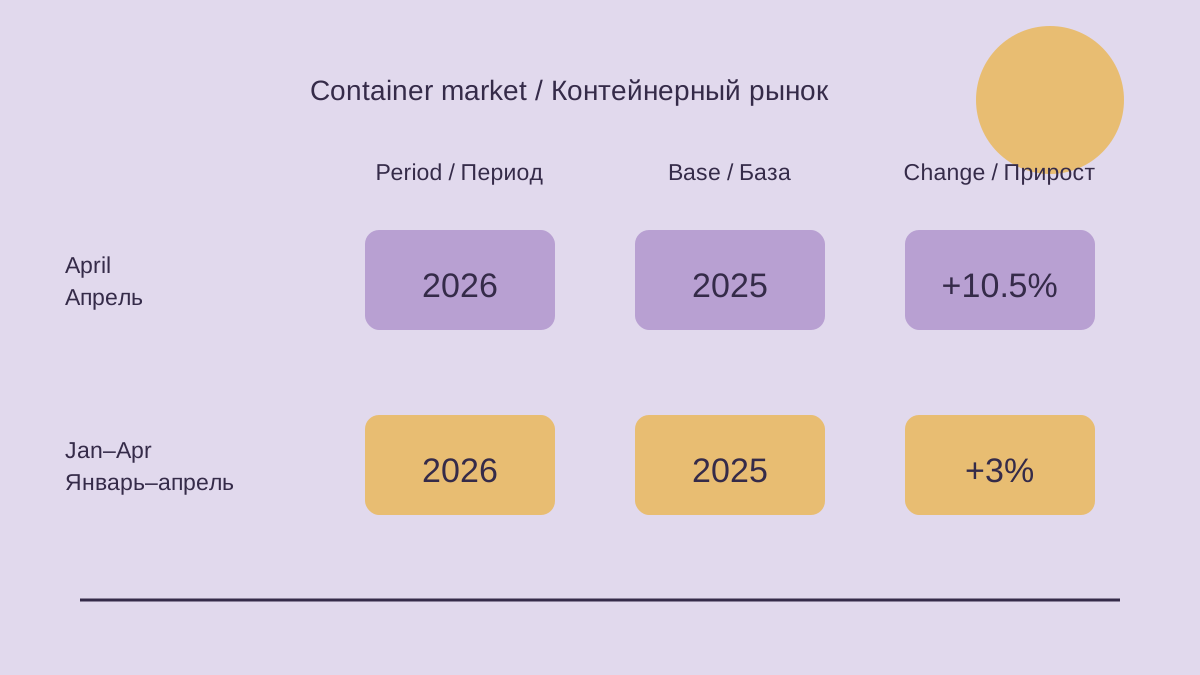
On 2 June 2026, Interfax reported FESCO analysts' estimates for Russia: April container traffic reached 610,000 TEU, up 10.5% year on year. January–April volume exceeded 2.26 million TEU, up 3% against the corresponding four months.
Two comparisons, not two successive increases
The April calculation compares one month with the same month a year earlier. The cumulative calculation compares two four-month totals. April is already inside the longer period; it is not an extra interval to append to that result. Neither adding the percentages nor multiplying them produces a meaningful growth rate for the reported period.
The difference between the two percentages also does not establish whether traffic increased from March to April. That is a separate comparison requiring both months' volumes on a consistent basis. A higher year-on-year rate can coexist with a different month-on-month direction because the reference quantities are different.
A market estimate is not a company result
FESCO is the source of the market calculation, not the name of the entire market being measured. The reported traffic should therefore not be presented as the company's own shipments. Still less does a volume estimate establish the revenue earned on those movements: a traffic measure and a financial statement describe different quantities.
The publication date and the observation period also need to remain separate. A report issued in June can describe earlier traffic without supplying a June estimate. Using the date of the news item as the date of the measured activity would shift the finding into a period it does not cover.
Read the result with its reference period
- Keep the observation window attached to each percentage.
- Identify the comparison as year on year, not month on month.
- Distinguish the reporting organisation from the market covered.
The figures support a dated account of traffic, not an annual forecast. A full-year outcome would require the remaining months, while a claim about a particular carrier would require its own operating data. Those limits preserve the meaning of the reported improvement without turning it into a broader result.
Your perspective
Share your thoughts on the story.