
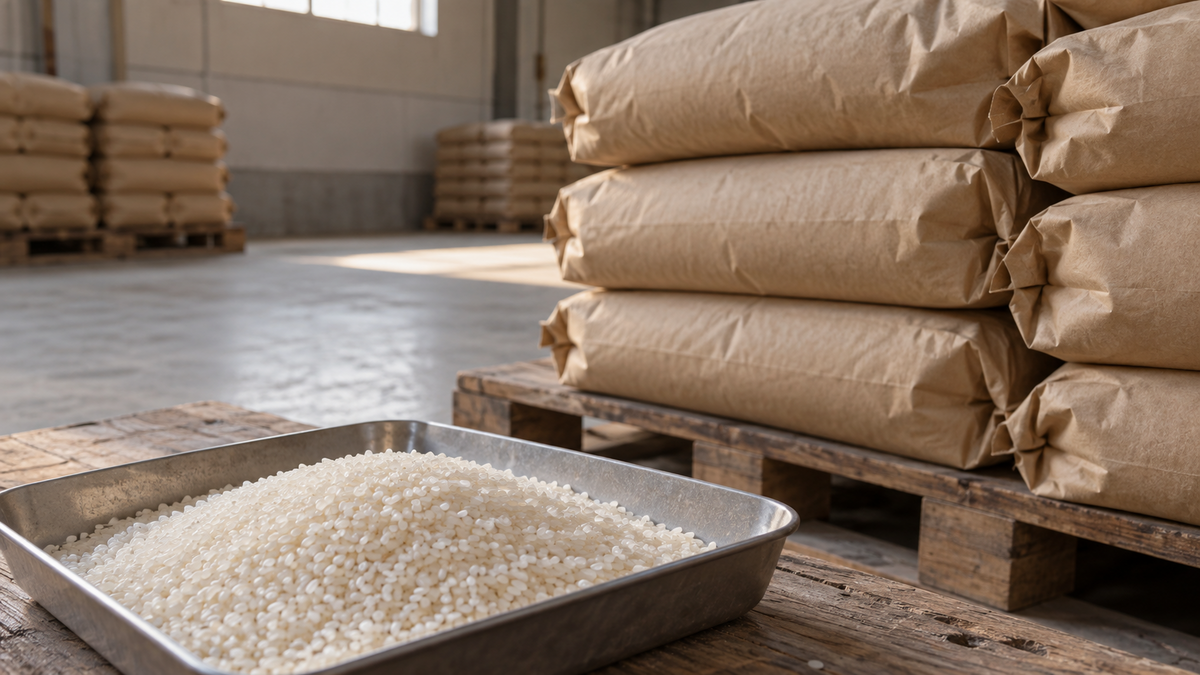
The planned sale of government rice places the next stage of the response to expensive groceries in the hands of the distribution system. Releasing a reserve and getting affordable bags onto shop shelves are connected tasks, but they are not the same transaction.
A first tender before deliveries
On 14 February 2025, Bloomberg reported that Japan planned to sell 210,000 tonnes of reserve rice. An initial tender for 150,000 tonnes was expected in early March, with deliveries from the middle of that month. Chief Cabinet Secretary Yoshimasa Hayashi attributed rising prices to distribution problems despite an improved harvest.
One programme, different quantities
The first tender is part of the announced sale, not an additional volume to put on top of it. Subtracting the first tranche from the total leaves 60,000 tonnes outside that initial tender. This arithmetic does not establish a date for a second sale or identify the buyers of the remaining rice. Adding the two headline quantities together would overstate the announced programme.
The reserve is not a retail shelf
For a household, the useful result would be rice available to purchase at an acceptable price. A government sale is further upstream: it concerns grain leaving public ownership and entering commercial circulation. A delivery schedule for that stage should not be presented as a promise that every neighbourhood shop will receive a cheaper bag on the same day.
The distinction also matters when assessing the intervention. An auction result can show that a quantity has been sold; it cannot by itself show where all that grain has subsequently gone. Equally, a price displayed at one shop is not a measure of the whole distribution programme. Connecting the two requires information about actual movements and comparable retail observations.
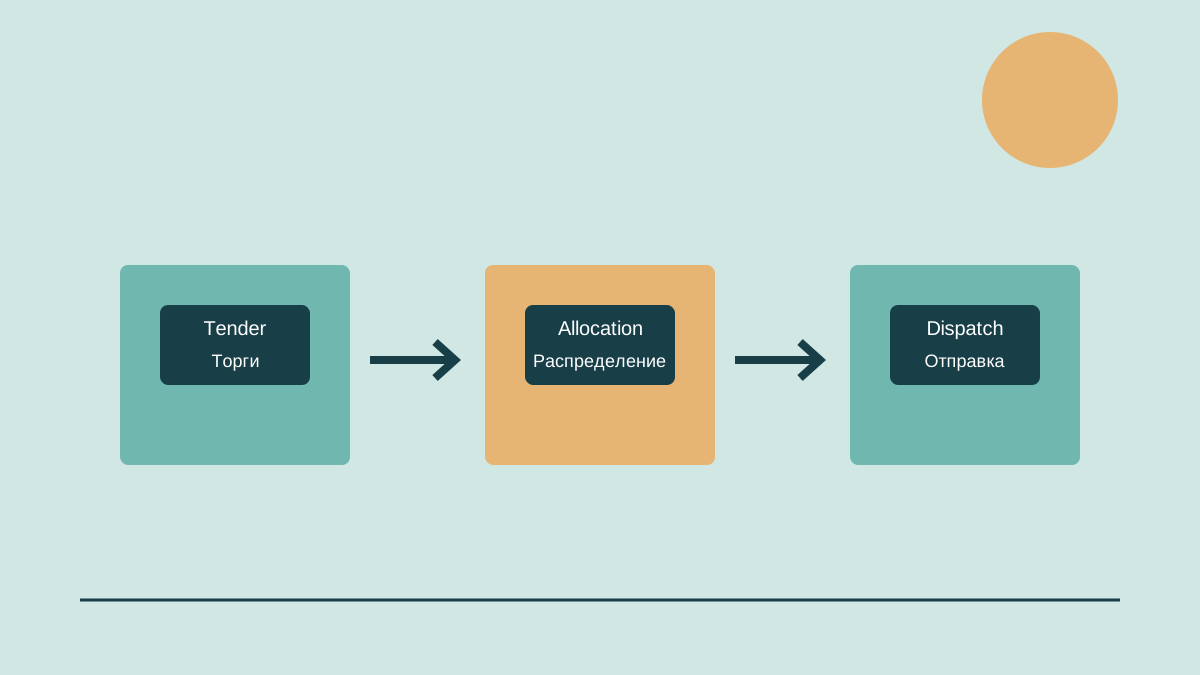
What would demonstrate implementation?
- Completed sale quantities, rather than only the amount offered.
- Dispatch and receipt information, rather than treating an allocation as a delivery.
- Retail availability and prices compared on a consistent product and pack-size basis.
These are separate measures of execution, not extra conditions announced by the government. At this stage the news is the planned intervention and its initial timetable. Whether it would relieve pressure on household grocery spending remained a question for subsequent deliveries and market evidence, not a result established by the announcement.
Your perspective
Share your thoughts on the story.