
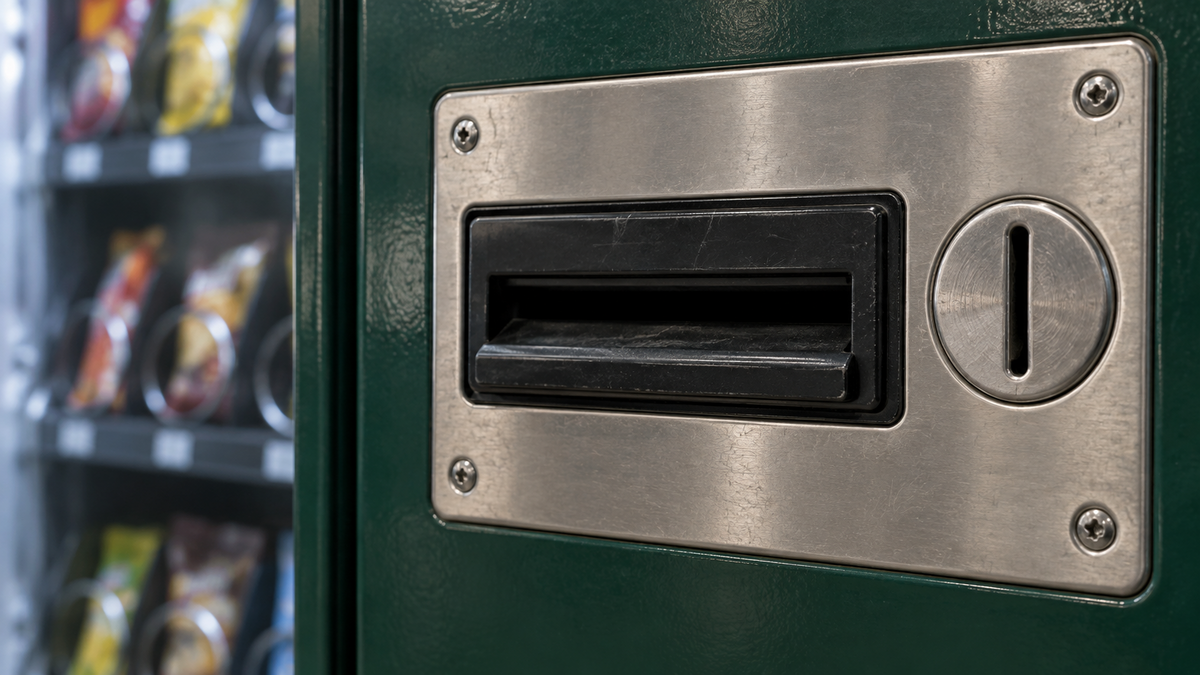
The arrival of redesigned banknotes in Japan on July 3, 2024, brought an equipment bill for businesses using cash machines. Reuters reported that ramen operator Shintaro Sekiguchi spent about ¥600,000 on ticket machines for three shops. He said the replacement did not increase sales, while labour and ingredient costs were also rising.
A new design for everyday payments
In his launch remarks, Bank of Japan Governor Kazuo Ueda announced the start of issuance at 8 a.m. The ¥10,000, ¥5,000 and ¥1,000 notes feature Eiichi Shibusawa, Umeko Tsuda and Shibasaburo Kitasato respectively. Security features include three-dimensional holograms; larger numerals are intended to make the denominations easier to identify. The central bank planned to send out ¥1.6 trillion in new notes that day.
The Finance Ministry's earlier issuance notice makes an important distinction: the previous series remains valid. It warns against fraudulent claims that existing banknotes have become invalid. The redesign is therefore not a deadline for households to surrender their previous-series notes.

The equipment decision behind the launch
The commercial distinction is between preserving an existing service and adding a new one. A replacement reader may allow a shop to keep taking cash without increasing the number of meals it can sell. That does not make the equipment unnecessary, but it changes the question an owner must answer when comparing a replacement with a broader payment-system upgrade.
- Which banknote series and denominations can the installed machine recognise?
- Does the quoted work cover the reader alone or other parts of the payment system?
- How will customers pay while equipment is being changed or checked?
These are practical questions arising from the transition, not reported nationwide requirements. The distinction also matters for customers: a banknote retaining its validity and a particular machine accepting it are separate issues. Clear information at the point of payment can help avoid confusion while businesses adapt their equipment.
Your perspective
Share your thoughts on the story.